
Affordable Housing El Paso Families Can Actually Qualify For
Affordable housing El Paso families can realistically reach gets harder to find every year, and the search usually starts with a rent increase nobody planned for. Rent climbs. Wages move slower. So a household that pays every bill on time still ends up wondering whether owning a home here is even possible. This guide covers what the term really means in El Paso County, how the income limits work in 2026, and how local families move from renting into a mortgage they can carry.
The Short Answer on Affordable Housing El Paso Offers
What Affordable Housing El Paso Really Means
The phrase covers three very different things, and mixing them up wastes months. First, there is subsidized rent, where a voucher lowers what you hand a landlord each month. Second, there is below-market rental stock built with public financing. Third, there is ownership at a price a working household can carry. Only the third one builds equity, and it is the one most people picture when they start looking.
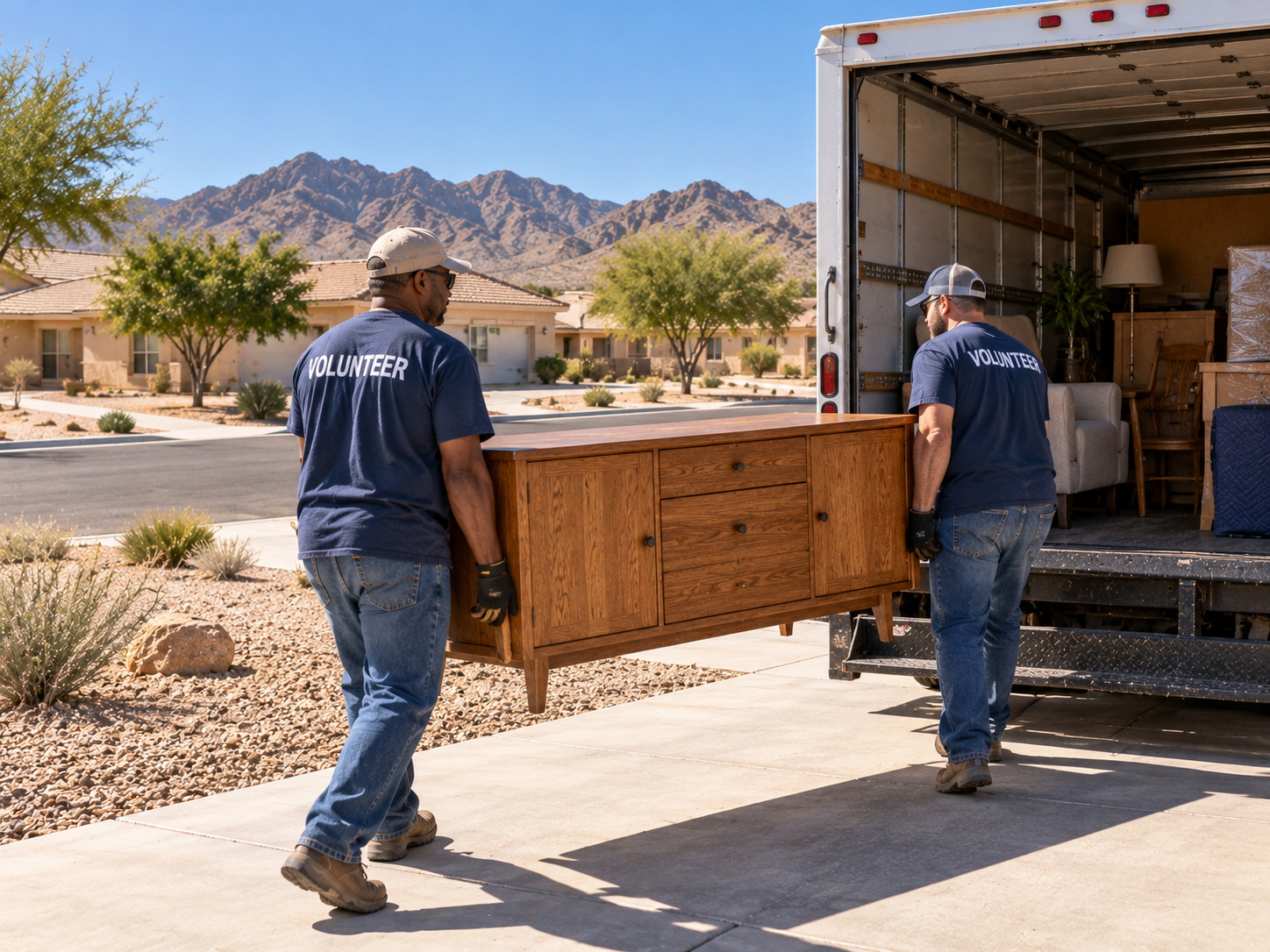
El Paso County has a long history here. Habitat for Humanity of El Paso opened in 1981 and stands as one of the oldest Habitat affiliates in Texas. Over those years the affiliate has finished 67 homes and served 1,200 families. Also, it completes 32 repairs and renovations every year, and volunteers log roughly 2,500 hours annually to make that work possible. For the wider picture of who owns and who rents across the county, Census Bureau housing data is the standard reference.
Numbers alone do not settle the question, though. Reading what actually happened to a household that went through the process tends to help more, so the affiliate publishes family stories and results from partners who now hold their own mortgage. The pattern in those accounts repeats. A family rents for years, submits a long application, logs hundreds of volunteer hours, and then gets a closing date.
Affordable Housing El Paso Programs at a Glance
Here is how the ownership path works at this affiliate, trait by trait. Every line below comes from the program terms Habitat El Paso publishes itself, not from a general description of how the model runs nationally.
| Trait | What it means | Where it comes from | What you notice |
|---|---|---|---|
| Sale price | Homes sell at cost, never at market value | Habitat El Paso homeownership terms | The price tracks land, materials and labor |
| Interest rate | No interest across a 30-year fixed term | Habitat El Paso homeownership terms | The monthly payment does not drift |
| Second mortgage | Drops away after 10 years of on-time payments | Habitat El Paso homeownership terms | Staying current carries real value |
| Income ceiling | At or below the El Paso County area median income | Habitat El Paso eligibility criteria | HUD resets the figure each year |
| Debt-to-income | Under 40 percent | Habitat El Paso eligibility criteria | Paying down a car loan can matter |
| Sweat equity | 300 to 400 volunteer hours per partner family | Habitat El Paso eligibility criteria | ReStore shifts count toward the total |
| Selection | A Home Selection Committee weighs urgency of need | Habitat El Paso homeownership terms | Need and ability to pay both count |
Rental Assistance Versus a Real Path to Ownership
Rental help solves this month. Ownership solves the next thirty years. Both matter, so the honest answer is that a household in crisis should take the rental help first and treat ownership as the longer play. However, rental assistance does not build anything you keep. When the voucher ends or the lease turns over, you land back where you started, only older.
Ownership through this affiliate works differently because the mortgage carries no interest at all. A conventional mortgage charges interest on every payment for thirty years. Take that line out entirely and a modest income stretches far enough to cover a real house payment. Ultimately that single change is what makes the arithmetic work for a household on a modest income.
So what does affordable mean in actual dollars? Basically, the federal yardstick treats housing as affordable when it costs no more than about 30 percent of household income. Naturally, HUD applies that same definition when it sets the county limits above. Then, once rent climbs past that line, the math stops working and the ownership question surfaces. Of course a mortgage with no interest attached is the fastest route back under it.
Sold at Cost, No Interest, Thirty Years Fixed
The affiliate sells its homes at cost with a no-interest, 30-year, fixed-rate mortgage. A second mortgage sits behind that one, and it drops away after ten years of on-time payments. So a partner family who stays current ends up holding a house with no remaining balance on the second note. Habitat for Humanity International sets the affiliate standards this model runs on.
Nothing here comes at no cost, and the affiliate says so plainly. Homes go to families who can take on a mortgage payment. The point is to bring the cost of housing and the financing behind it within reach, which is a hand up rather than a gift. If you want the full eligibility picture first, the affiliate spells out who qualifies for a Habitat home in one place.
Income Limits and Who Actually Qualifies
Two numbers decide most of it. First, household income has to sit at or below the area median income for El Paso County. Second, the debt-to-income ratio has to come in under 40 percent. The affiliate checks both against real paperwork rather than an estimate.
That area median income figure moves. HUD income limit data sets county limits every year, and the cutoff shifts with household size, so a family of five and a family of two do not face the same ceiling. Check the current year before you rule yourself out. Staff hear from households who assumed they earned too much and never bothered to confirm it.
There is a third factor, and it is not a number. A Home Selection Committee weighs urgency of need alongside ability to pay and willingness to partner. So a household living in genuinely unsafe conditions may move ahead of one that is merely overpaying. The affiliate's Homeownership Program page lays out the criteria it applies.
Sweat Equity: The Hours Partner Families Put In
Selected families complete 300 to 400 volunteer hours. That is the requirement people hear about and then quietly decide not to apply. In fact, the hours bend more than they sound like they do. They can go toward your own build, toward someone else's build, or toward shifts at the ReStore.
So construction skill is not the barrier it appears to be. Sorting donated housewares on a store floor counts the same as swinging a hammer on a site. Of course the hours still take real time, and families schedule them around jobs and childcare. Ultimately the requirement exists because the model rests on partnership rather than a gift.
For example, a partner working full time might log four hours on a Saturday build and a weeknight shift at the ReStore, then repeat that through the season. Notably, hours put in at the store count toward the same total as hours on a site. So the question is rarely whether a family can handle the work. Overall, the harder question is whether the schedule holds, and staff plan around that from the start.
How the Application Process Works, Step by Step
First, confirm the two eligibility numbers so you do not spend an evening on an application that cannot move forward. Next, gather income documentation for everyone in the household. Then submit the application and wait for the Home Selection Committee to review it.
After that, the sweat equity clock starts and the build schedule sets the pace. Timelines vary, so nobody can promise a closing date up front. The honest answer is that it depends on the build calendar and on how quickly a family logs its hours.
So what should you have ready? First, pay stubs or benefit statements for every earner in the household. Second, a recent tax return. Third, a rough list of monthly debt payments, because that is exactly what the 40 percent ratio measures. In fact, gathering those three items ahead of time is the difference between an application that moves in weeks and one that stalls for months.
Applications that arrive complete move faster than applications that arrive with gaps. So the most useful thing you can do before you start is read the step-by-step version the affiliate publishes.
How to apply for a home →If You Already Own and Cannot Afford Repairs
Not every housing problem is a buying problem. Some El Paso households already own and simply cannot cover a failing roof or a bathroom that has turned dangerous. Also, the affiliate runs 32 repairs and renovations a year for exactly that situation. Here is how to tell which door is yours.
- You own, and the roof or the HVAC has failed. Repair programs cover the systems that make a home unlivable when they quit. Start with a repair request instead of a homeownership application.
- You are a veteran homeowner. Habitat El Paso is a proud Veteran's Build Affiliate with dedicated grant funding, and the Texas Veterans Commission is the named grant source behind that work.
- You are elderly or disabled and the bathroom worries you. The tub-to-shower program serves homeowners at 60 percent or less of the area median income. Notably, the affiliate reports that 80 percent of falls at home happen in the bathroom.
- You rent today and want to own. Then the homeownership application is the right door, and the repair programs do not apply to your situation.
So the first question is never how much help you need. It is whether you own the roof over your head right now. Also, a repair request and a homeownership application run as separate processes with separate criteria. So applying for one does not put you in line for the other.
Free veteran home repairs →Frequently Asked Questions
Q1 What counts as affordable housing El Paso households can qualify for?
Q2 What income do you need to qualify for affordable housing in El Paso?
Q3 Does Habitat for Humanity give houses away?
Q4 How long does the El Paso Habitat application process take?
Q5 Can I get help if I already own my home in El Paso?
Where to Start This Week
Affordable housing El Paso residents can actually own starts with one honest check against two numbers. So look up the current income limit for your household size, add up your monthly debt, and see where you land. Then call 915-755-6633 or stop by 8500 Dyer, Suite 82. That answer takes one conversation, not another year of guessing.